All Articles
401 expert articles on parrot care, training, and wellbeing. Page 10 of 17.
Showing 24 of 401 articles
Complete Care Guide for the Pionus Parrot
The Pionus is the quiet, gentle, easygoing parrot people wish they'd discovered sooner. A complete guide to housing, daily care, and what this calm mid-sized bird needs to thrive.
Diet and Nutrition for the Pionus Parrot
Pionus are prone to obesity and fatty liver, so their diet has to be deliberately low-fat and vegetable-forward. A practical, species-specific feeding guide with breakdowns, safe and toxic foods, and how to convert a seed addict.

Training Tips for Pionus: A Gentle, Step-by-Step Guide
Pionus respond to calm, reassuring, low-pressure training — never force. A patient guide to taming, step-up, target training, recall, tricks, and light talking with this gentle, sensitive parrot.
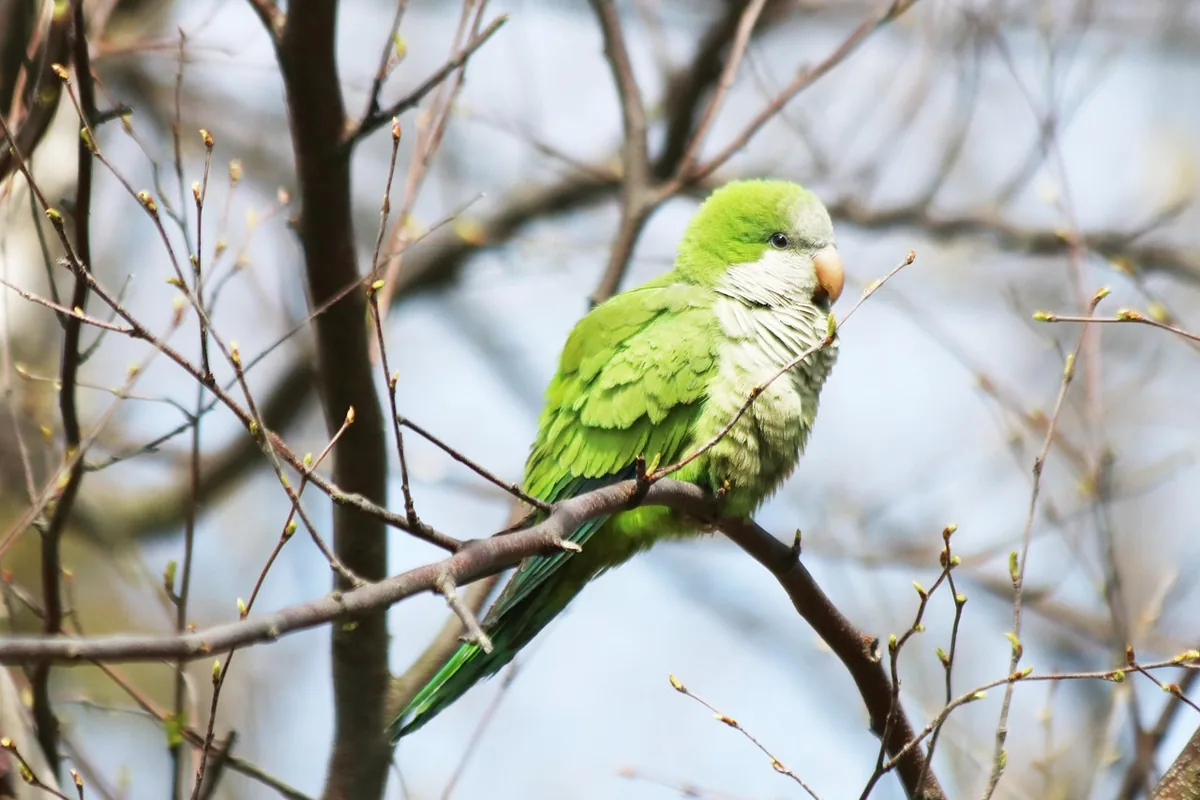
Reading Your Quaker Parrot: Behavior and Body Language
Understand what your Quaker Parrot is telling you: temperament, cage territoriality, eye-pinning and feather signals, the full vocal repertoire, hormonal seasonality, and how to respond to a bird that guards its space.
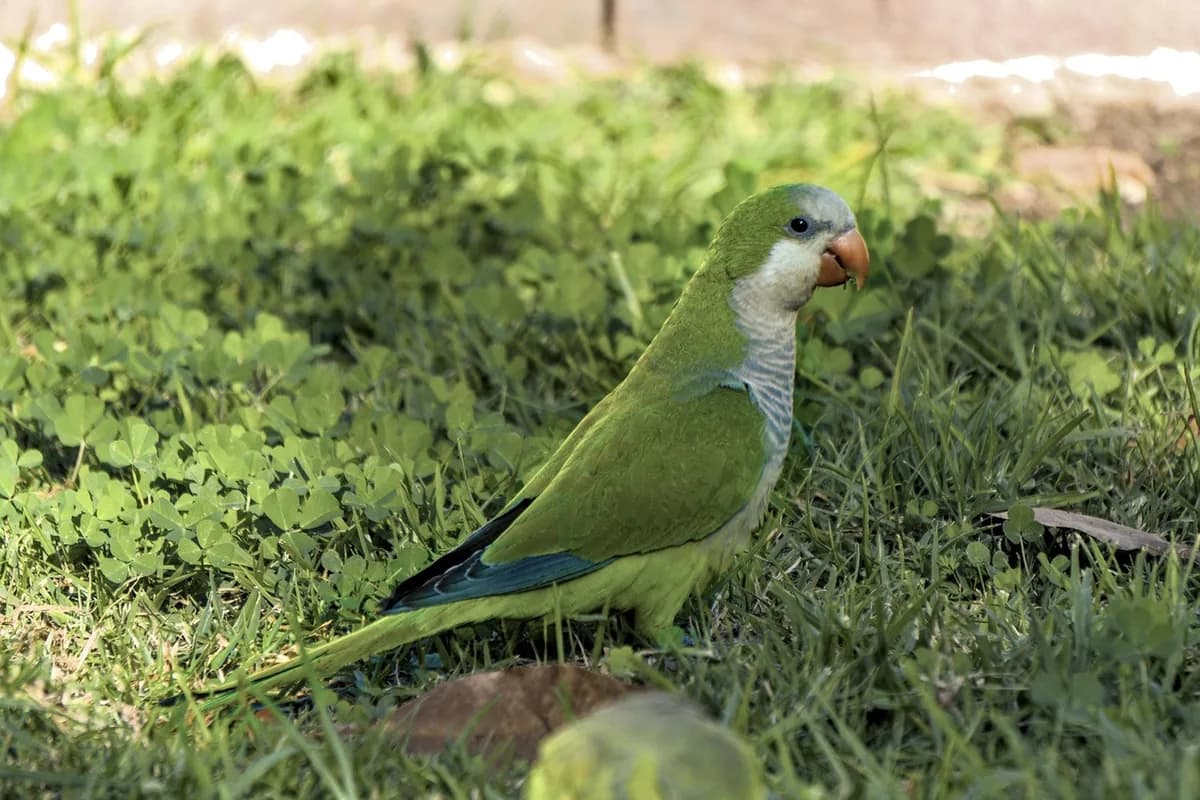
Common Health Issues in Quaker Parrots — and How to Prevent Them
The health conditions Quaker Parrots are genuinely prone to — fatty liver disease, obesity, feather-plucking and quaker mutilation syndrome, PBFD — plus the signs of a sick bird, wellness care, and when it's an emergency.
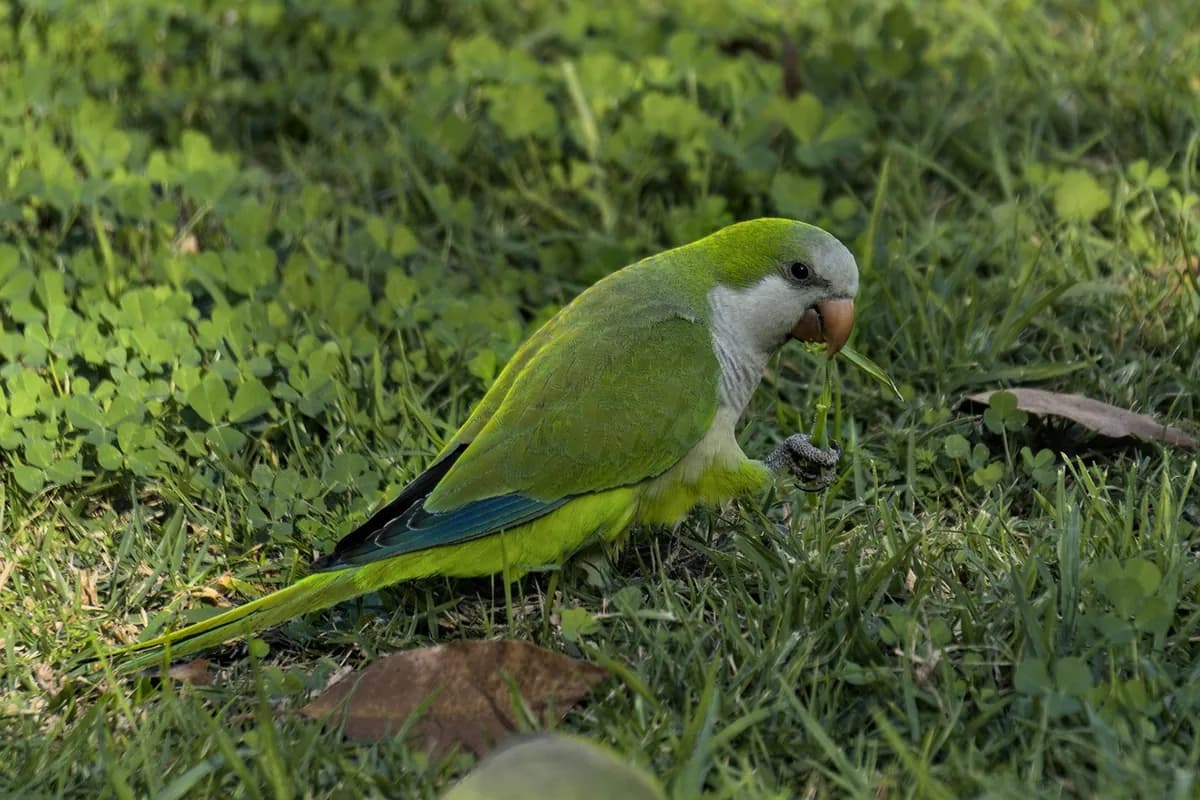
Quaker Parrot Care Guide: The Big Personality in a Small Green Package
A complete care overview for the Quaker Parrot (Monk Parakeet): who this bold little talker suits, detailed housing and cage sizing, a daily routine, and where to go deeper on diet, health, and behavior.
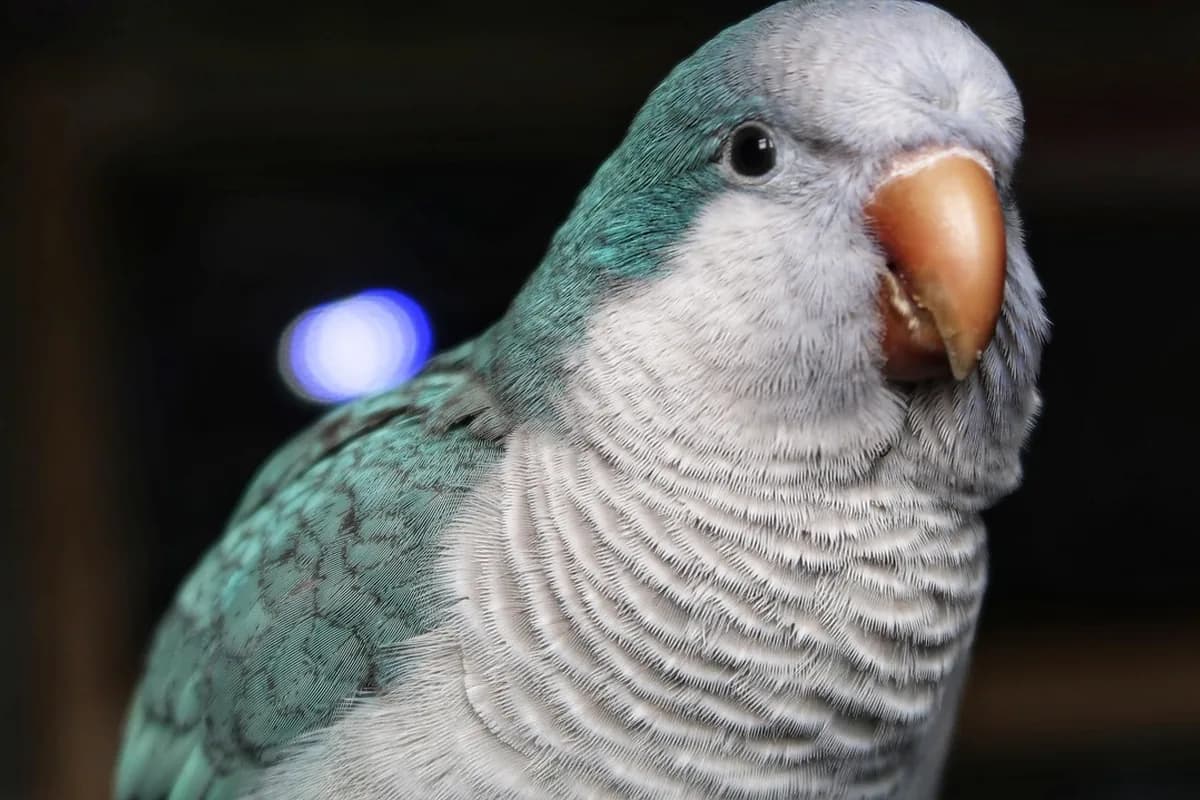
Quaker Parrot Diet and Nutrition: Beating the Fatty-Liver Problem
How to feed a Quaker Parrot for a long, healthy life: the pellet-plus-veg-and-sprouts standard, a diet breakdown table, safe and toxic foods with mechanisms, chop prep, and how to convert a seed junkie off seed.
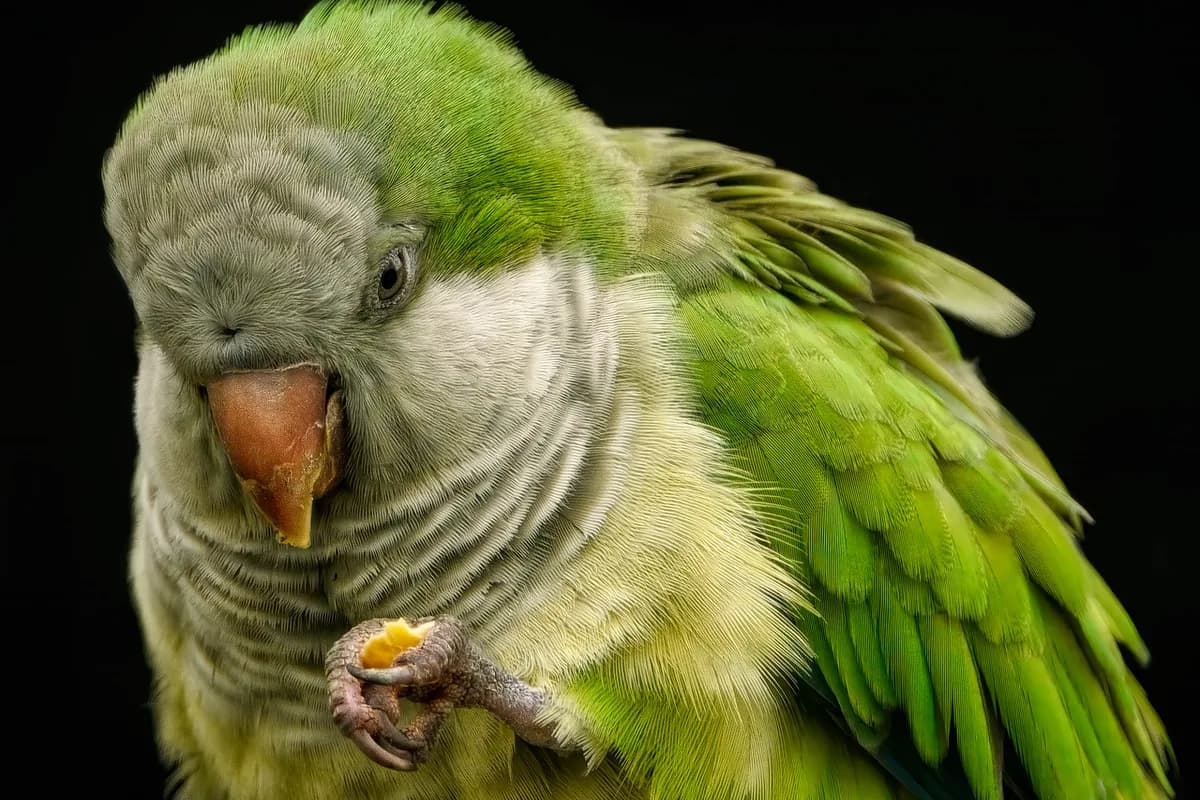
Training Your Quaker Parrot: Trust, Tricks, and Talking
A positive-reinforcement training plan for Quaker Parrots: building trust, step-up and target training away from the cage, recall, tricks, and teaching one of the parrot world's best small talkers to speak.
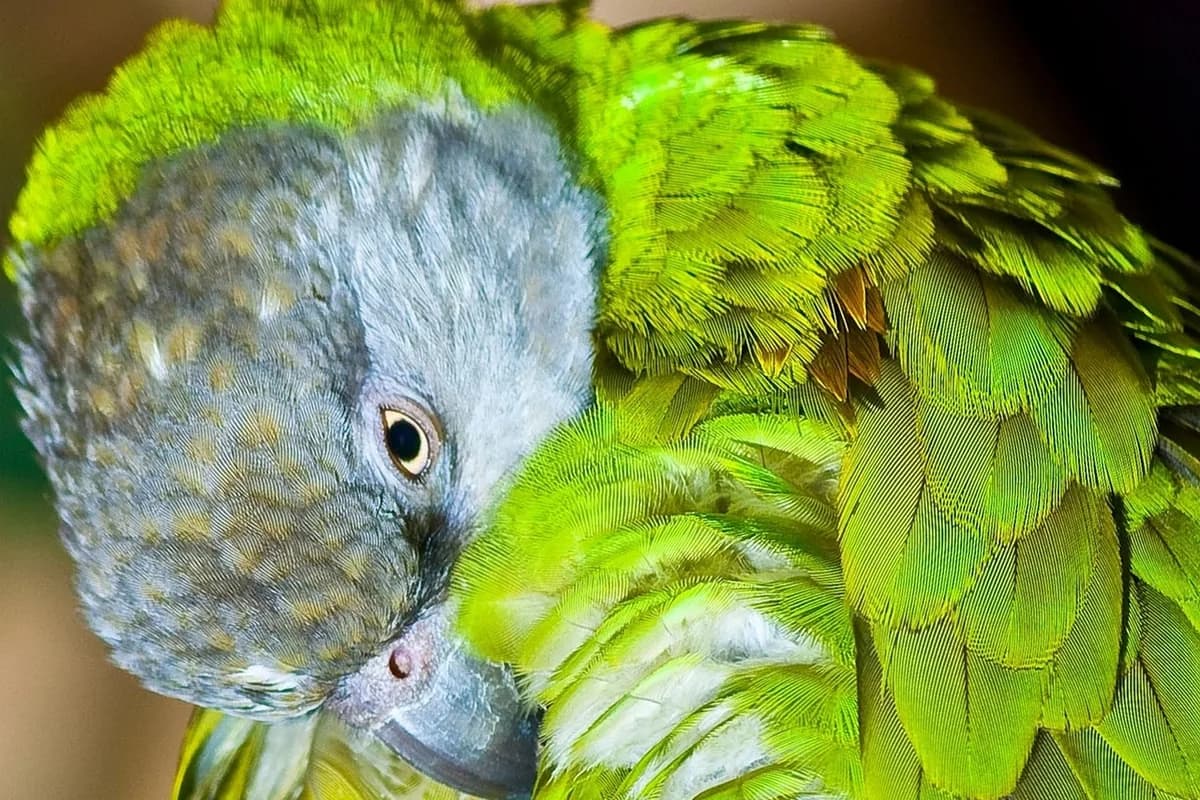
Senegal Parrot Behavior and Body Language: Reading the Quiet One
How to read the Senegal Parrot — a quiet, undramatic, one-person bird whose signals are subtle. Learn its eye-pinning, feather, and posture cues, its vocalizations, hormonal seasonality, and the one-person nippiness that defines the species.
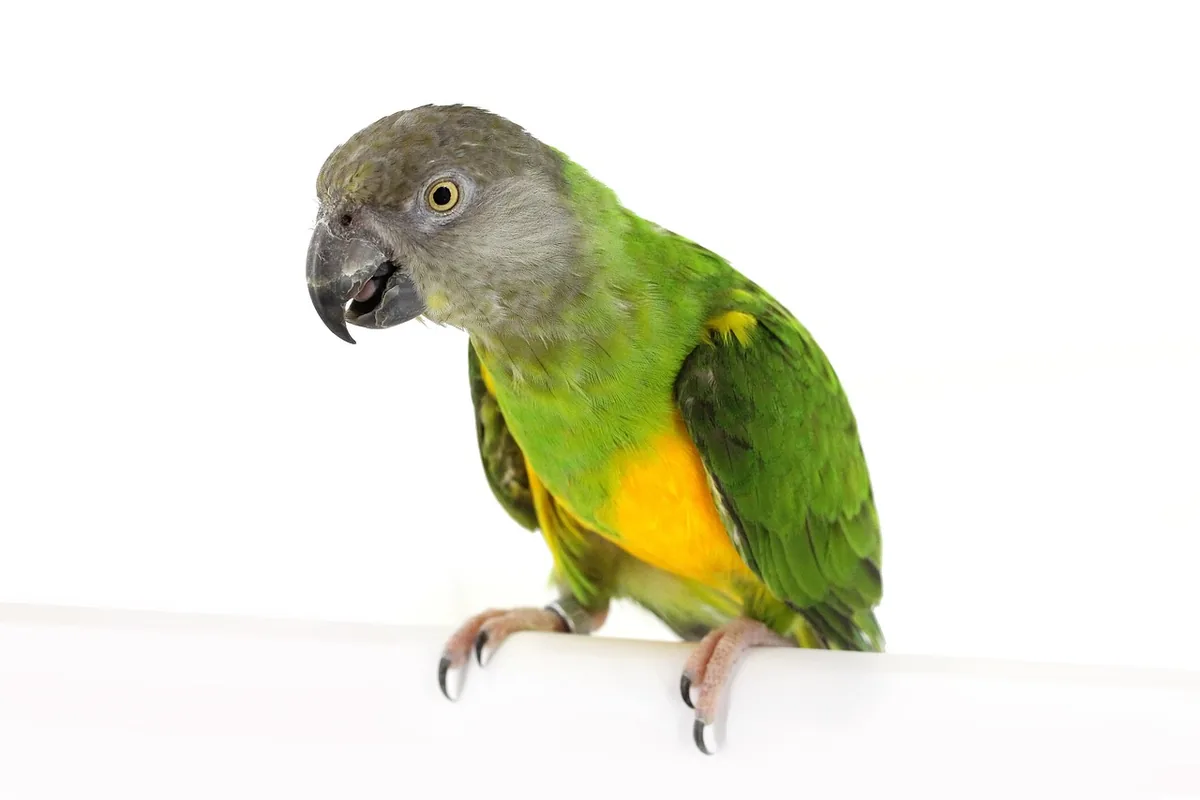
Common Health Issues in Senegal Parrots and How to Prevent Them
The health conditions Senegal Parrots are genuinely prone to — aspergillosis, obesity and fatty liver, PBFD, and feather-plucking — plus how to spot a sick bird, when it's an emergency, and the preventive care that adds years to a Poicephalus's life.

Senegal Parrot Care Guide: The Quiet Apartment Parrot
A complete care guide to the Senegal Parrot (Poicephalus senegalus): the calm, quiet, one-person West African parrot that suits apartments — housing, daily routine, and where to go deeper on diet, health, and behavior.

Senegal Parrot Diet and Nutrition: Beating the Obesity Trap
A deep dive into feeding the Senegal Parrot: a pellet-based, veg-forward, low-fat diet built around this obesity-prone Poicephalus species — with a diet-breakdown table, safe and toxic food lists, and a real seed-to-pellet transition plan.

Senegal Parrot Training Tips: Trust, Step-Up, and Broad Socializing
A positive-reinforcement training plan for the Senegal Parrot: taming and trust, step-up, target and recall, whistling and words, and — most important for this one-person species — how to socialize your bird broadly so it stays friendly to everyone.

Setting Up the Perfect Bird Training Environment
The room is half the teaching. Learn how to build a calm, distraction-free training space — perch height, supplies, treat motivation, and session structure — so your bird learns faster and trusts you more.

Building Trust and Bonding with Your Bird: A Step-by-Step Guide
Trust is the foundation of every well-adjusted companion bird. Learn to read your bird's body language, work through a patient six-step bonding process, and build a relationship rooted in choice rather than force.
Bird Training Troubleshooting FAQ: Common Questions Answered
The most common bird-training problems solved: sudden plateaus, treat dependency, aggression toward one family member, training older birds, target-stick fear, and how to tell a training snag from a sick bird.
Bird Nutrition for Optimal Training Performance
A healthy bird is a trainable bird. Learn the ideal diet by species, safe and toxic foods, and how to use treats strategically so nutrition powers your bird's ability to learn.
Training Your Bird for Grooming Cooperation
Teach your bird to willingly accept nail trims, wing care, and towel handling using force-free cooperative training — plus how to read stress signals and when to call an avian vet.
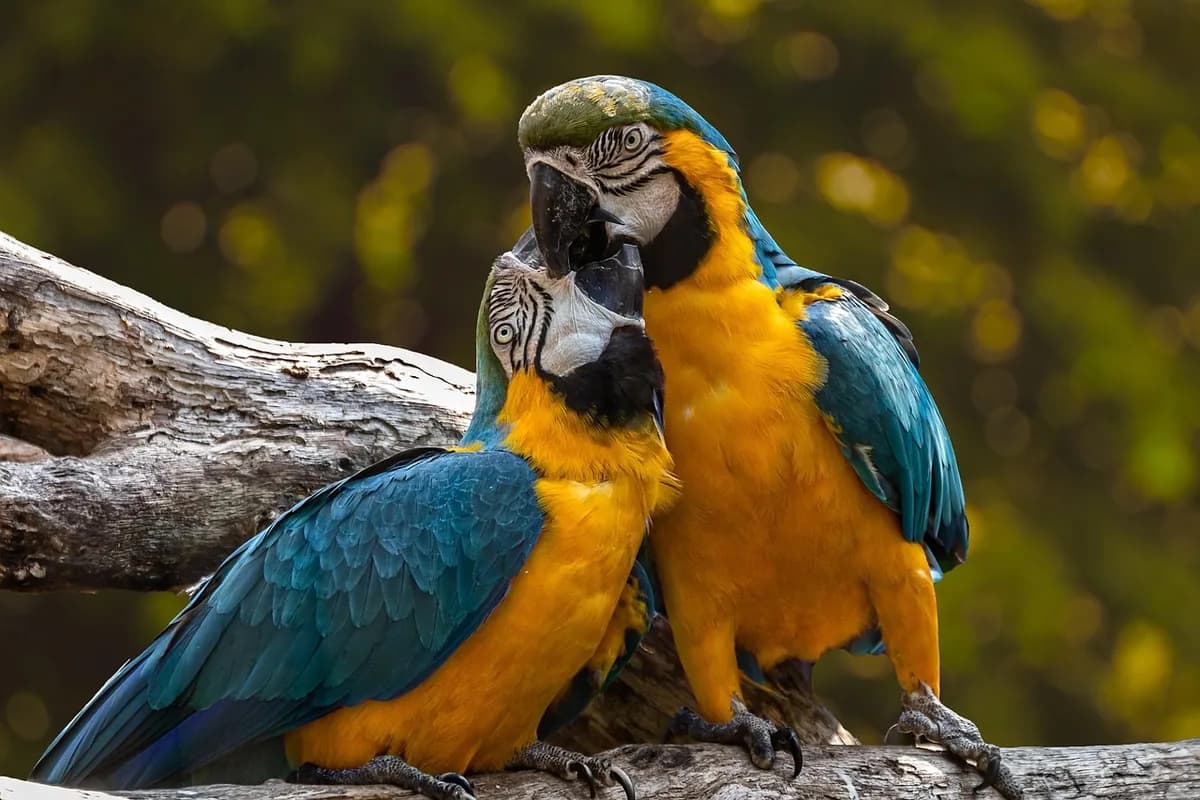
Bird Socialization and Travel Preparation: A Complete Guide
A well-socialized bird stays calm through vet visits, boarding stays, and new faces. Learn how to introduce your bird to people and other pets, build stress-free carrier and travel habits, and prepare for the annual avian exam.
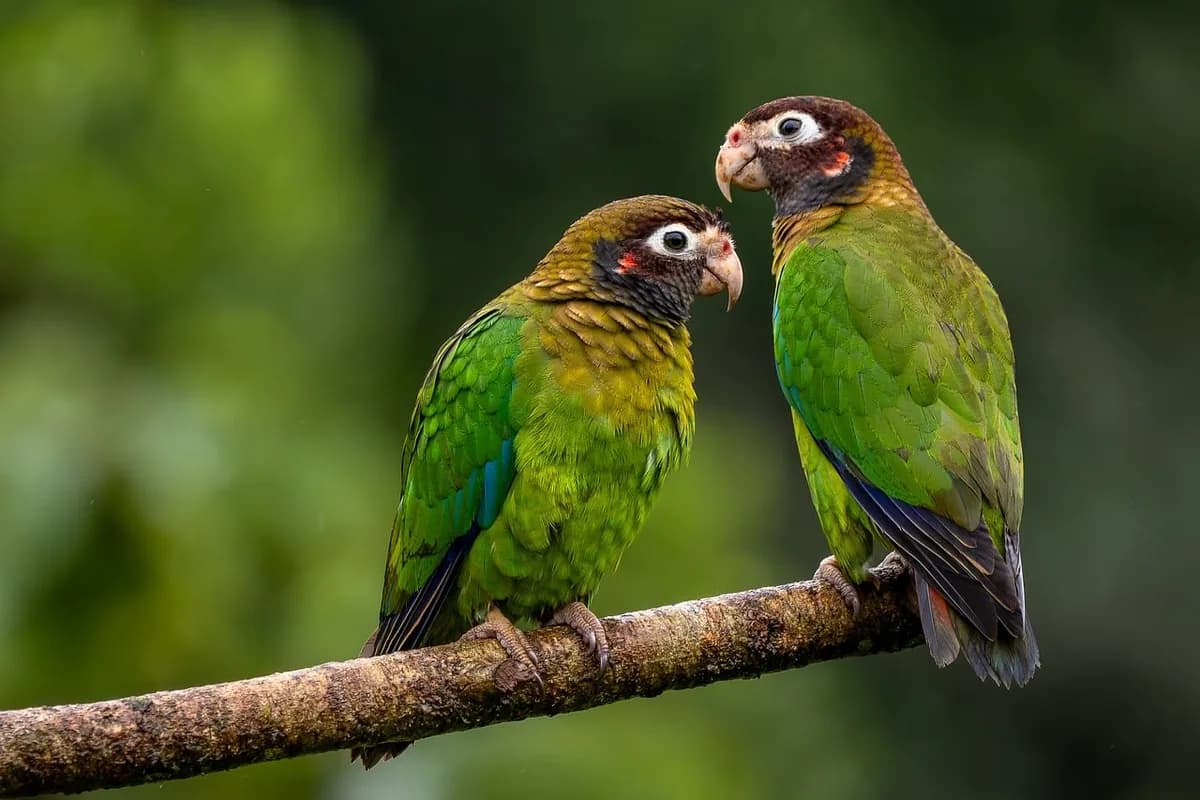
Addressing Problem Behaviors in Pet Birds: Biting, Screaming, and Feather Plucking
Biting, screaming, and feather plucking almost always trace back to an unmet need. Learn the root causes and the calm, positive, vet-informed fixes that actually work.
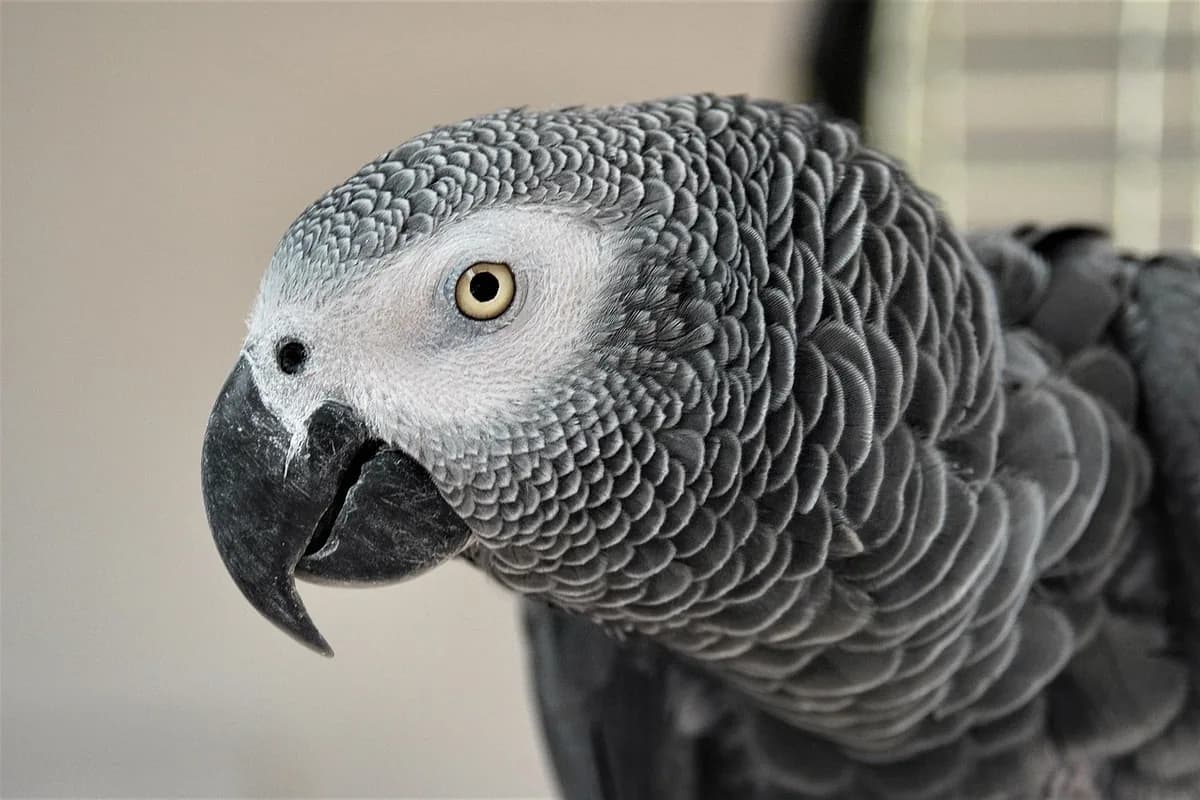
Speech and Vocalization Training for Parrots
Why parrots mimic, how to teach a first word, how to build vocabulary over time, and how to manage screaming without accidentally rewarding it. Includes a realistic species talking chart.
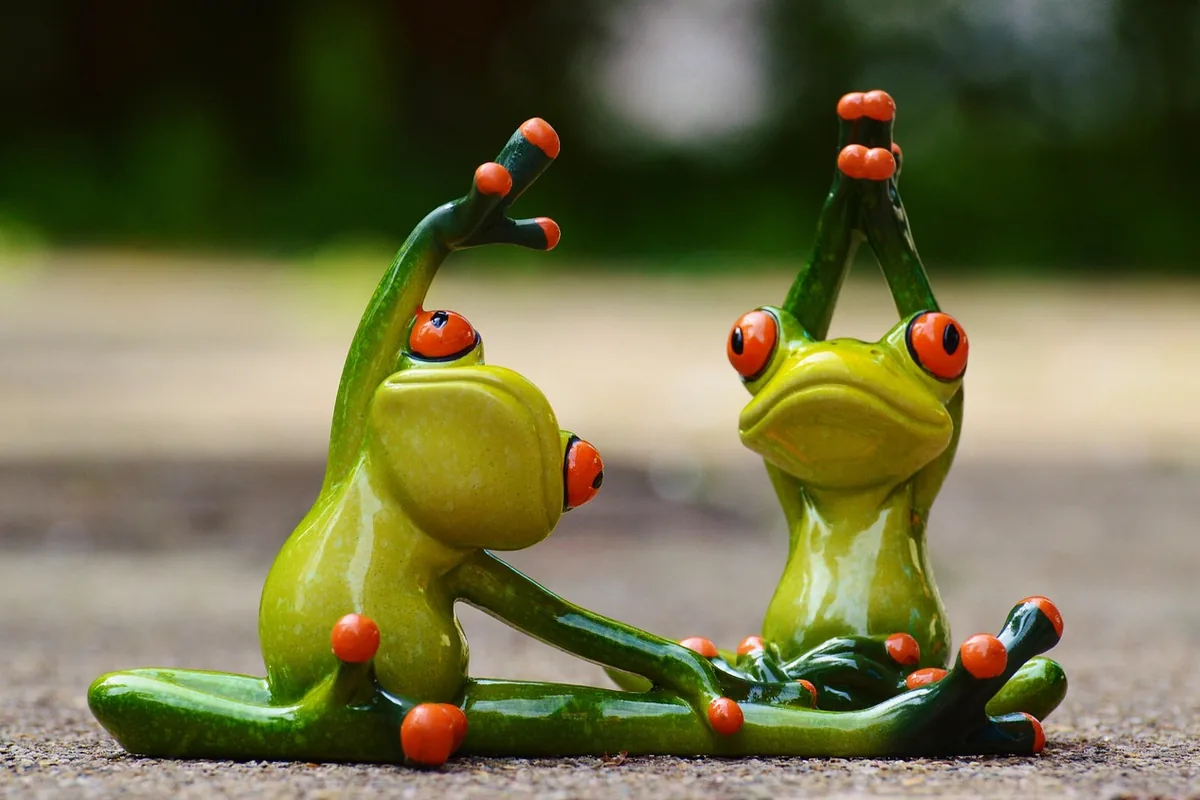
Teaching Bird Tricks: Wave, Spin, Shake Hands, and More
A coached, force-free method for teaching your parrot to wave, spin, shake hands, and strike an eagle pose — with the training fundamentals, treat rules, and troubleshooting that make tricks stick.
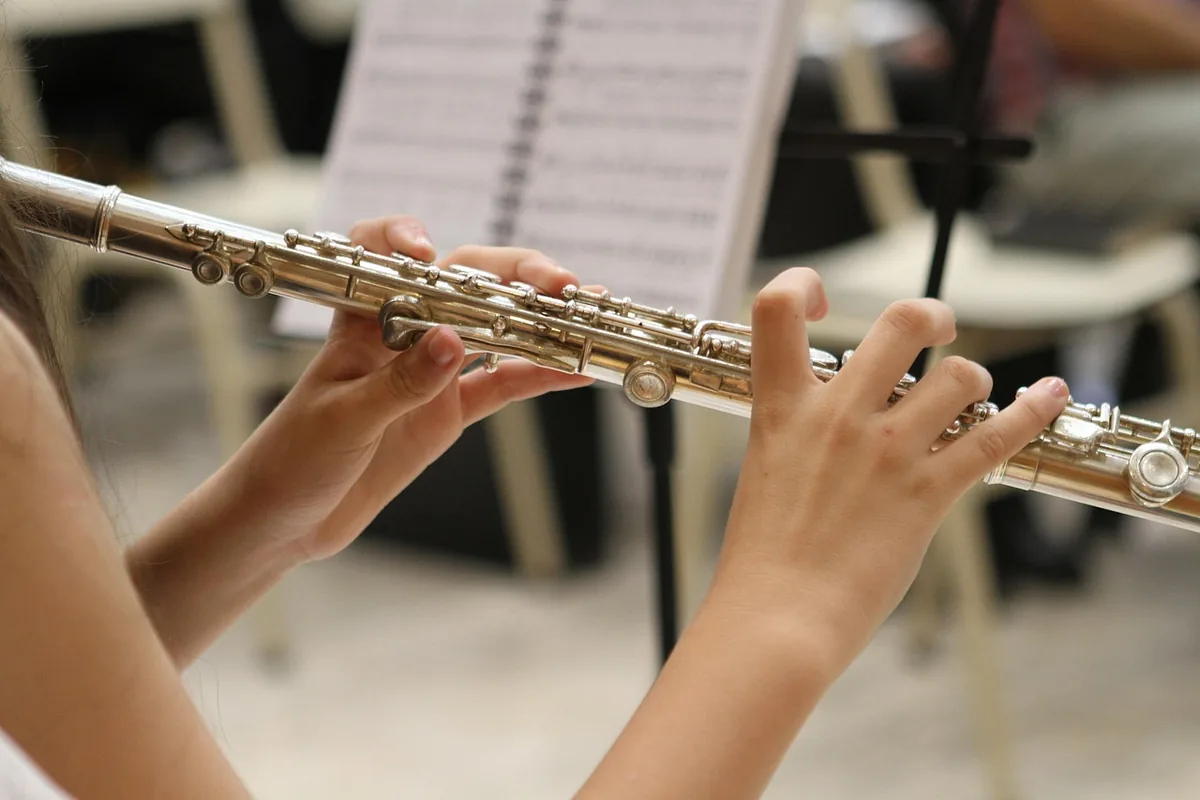
Target Training: The Most Versatile Bird Training Skill
Target training teaches your bird to touch a chosen object with their beak on cue. It is the single most versatile, low-stress skill you can teach, and it becomes the building block for carrier training, weighing, vet visits, and dozens of tricks.
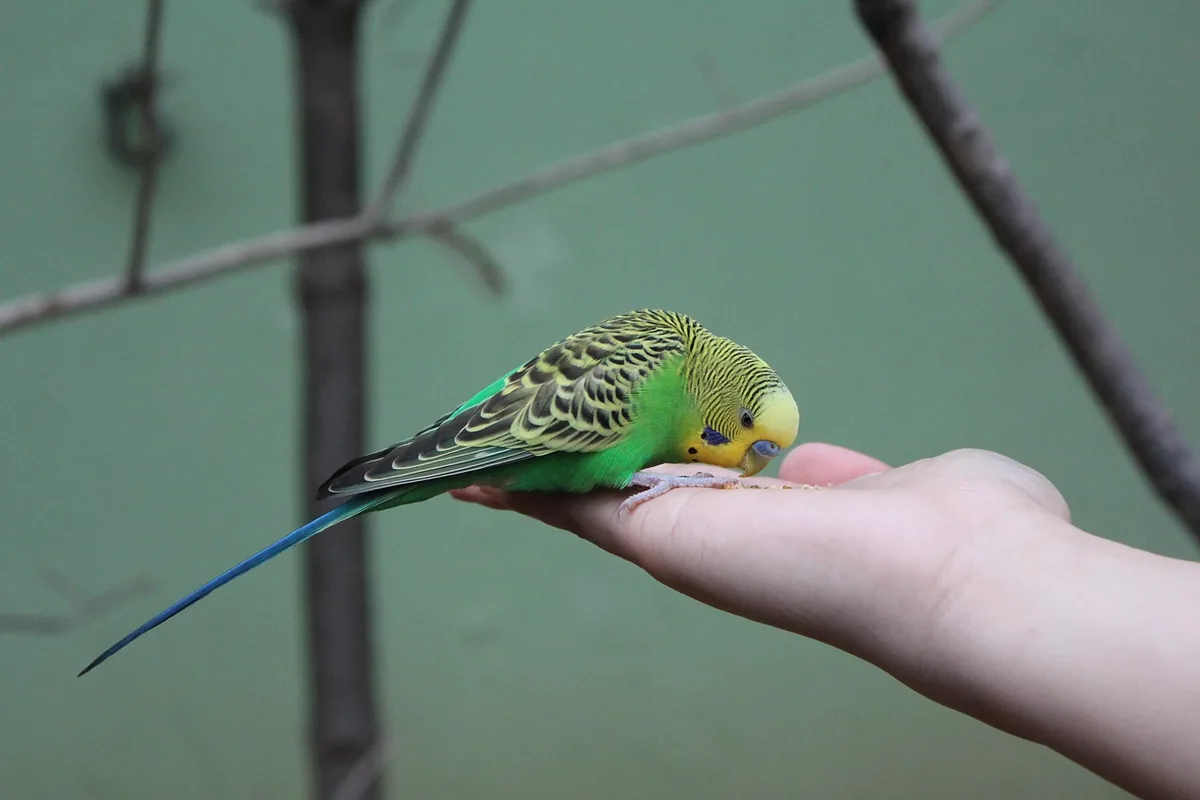
Recall Training: Teaching Your Bird to Come When Called
Recall training teaches your bird to fly or walk to you on cue. Learn the prerequisites, a step-by-step distance progression, treat-currency tips, and how to troubleshoot a stalled recall - a safety skill that can prevent escapes.