All Articles
401 expert articles on parrot care, training, and wellbeing. Page 12 of 17.
Showing 24 of 401 articles
Improving Indoor Air Quality for a Healthier Parrot
Birds breathe with an air-sac system so efficient that airborne toxins hit them long before they bother us. Here is how to spot the hidden pollutants in a sealed-up Toronto home and build cleaner air for your parrot, room by room.
Juicing for Parrots: A Natural Nutrient Boost
Fresh fruit and vegetable juices are a concentrated, low-effort way to add live-plant nutrition to your parrot's day. Here is how to juice safely, which produce to reach for, and why juice complements—never replaces—a pellet-based diet.
Maintaining Proper Humidity for Your Parrot's Health
Most companion parrots evolved in humid tropical forests, so dry indoor air — especially during a Toronto winter — can quietly harm their skin, feathers, and airways. Here is how to hit the 40-60% target range safely, read the signs of air that is too dry, choose the right humidifier, and avoid the hidden mould risk that dirty humidifiers create.
Maintaining the Ideal Temperature for Your Pet Parrot
Parrots evolved in warm, humid climates, but the danger in a Canadian home is rarely the thermometer itself—it is rapid swings and hidden drafts. Here is how to hold a stable, comfortable temperature, read your bird's body language, and respond safely to heat and cold.
Meeting the Emotional Needs of Parrots
Parrots are as emotionally complex as toddlers. Learn the four core emotional needs every parrot has - social connection, mental stimulation, choice and control, and secure rest - with practical daily habits and the warning signs that mean it is time to call an avian vet.
Meeting the Instinctual Needs of Parrots
Your parrot may have hatched in captivity, but instinct still runs the show. Learn the survival drives behind chewing, screaming, food-flinging, and mate-guarding, and how to redirect each one so your bird thrives instead of just coping.
Meeting the Physical Needs of Parrots
A parrot's physical wellbeing rests on six pillars: diet, exercise, environment, health, hygiene, and safety. This guide walks you through each one with concrete numbers on cage size, temperature, sleep, and the pellet-forward diet that keeps companion birds thriving.
Optimizing Perch Placement in Your Parrot's Cage
Perches are where your parrot spends almost its entire life, so their size, texture, and position shape everything from foot health to sleep quality. Here is how to arrange them the way an avian vet would.
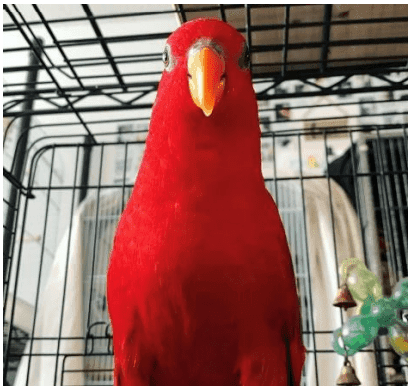
Parrot Cage Size Guide: Choosing the Right Home for Your Bird
The cage is where your parrot eats, plays, sleeps, and spends most of its day, so getting the size, bar spacing, and materials right matters enormously. This species-by-species guide gives you minimum internal widths, safe bar spacing, and the cage features that keep birds healthy and safe.
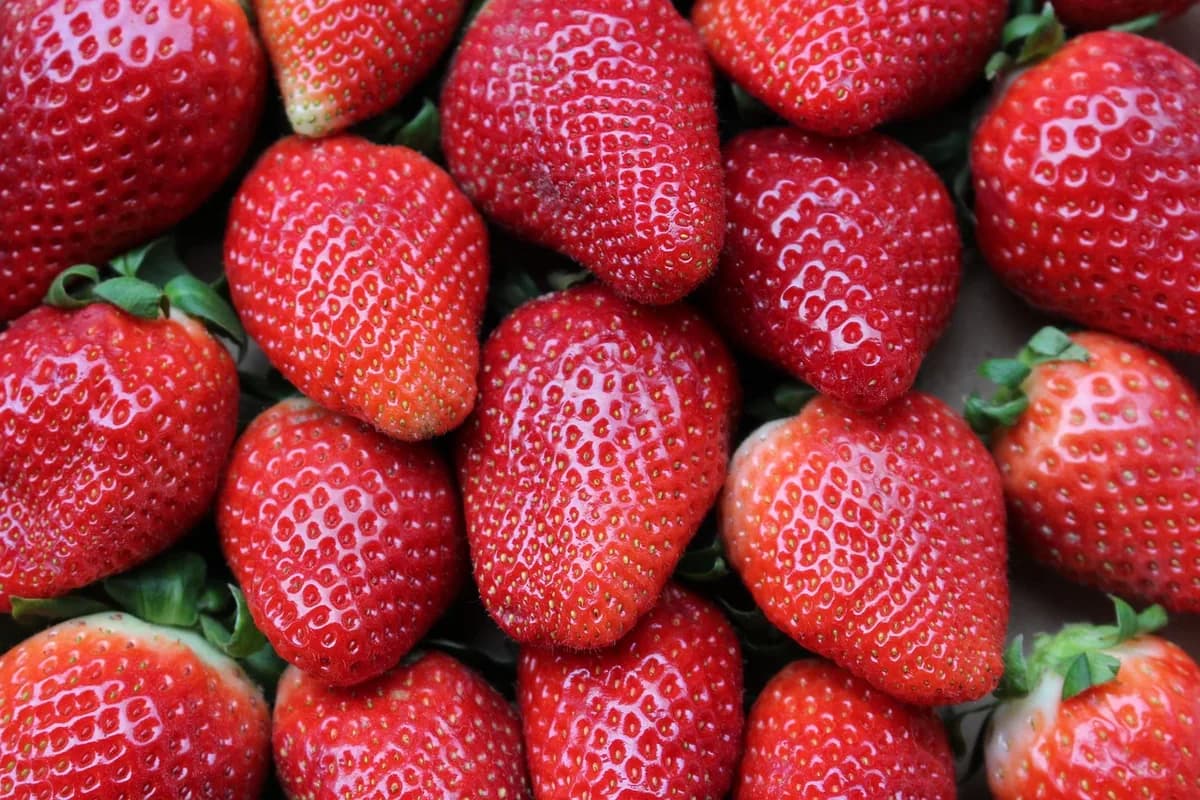
Safe Feeding Practices for Pet Birds: What Every Owner Should Know
A nutritious diet only protects your bird if the food is handled safely. This guide covers produce hygiene, spoilage windows, dish routines, and the toxic foods to never feed a parrot — so every meal stays as safe as it is healthy.
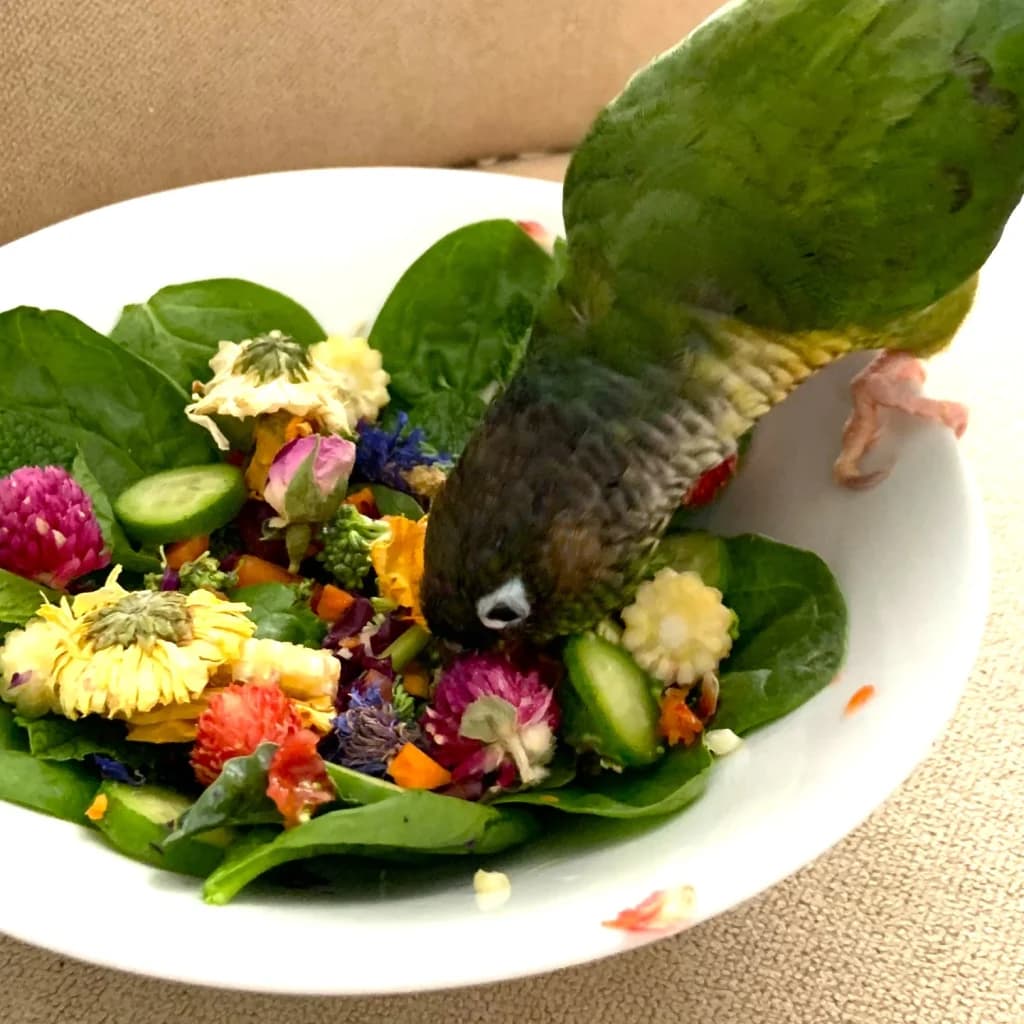
Seeds vs. Formulated Diets: Finding the Right Nutritional Balance for Your Bird
A seed-only diet quietly drifts into obesity, vitamin A deficiency, and shortened lifespans. Here is how to build a balanced plate — pellets as the foundation, vegetables next, seeds as a treat — and how to transition a committed seed-eater without a fight.
Sprouting for Parrots: The Ultimate Superfood for Avian Health
Sprouting turns dry, high-fat seed into a fresh, living vegetable your parrot's body can actually use. Here's why sprouts are one of the most nutrient-dense foods you can offer, where they fit alongside a pellet-based diet, and how to grow them safely at home.
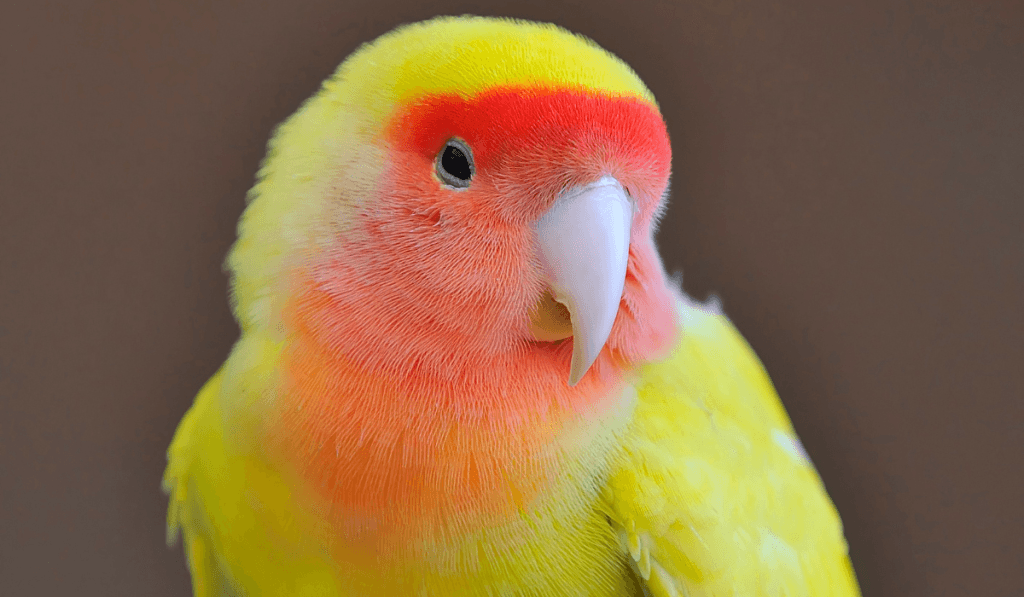
The Importance of Quality Sleep for Your Parrot
Just as sunlight shapes your parrot’s health, so does complete darkness. Quality sleep underpins your bird’s immune system, mood, and behavior — and it starts with honoring the tropical day-length they were built for.
Understanding Enrichment: Enhancing the Life of Your Parrot
Enrichment is preventive medicine for parrots. Learn the five categories of enrichment, how to build a foraging-first routine, safe toys and perches, and a simple weekly rotation that keeps your bird curious, calm, and healthy.
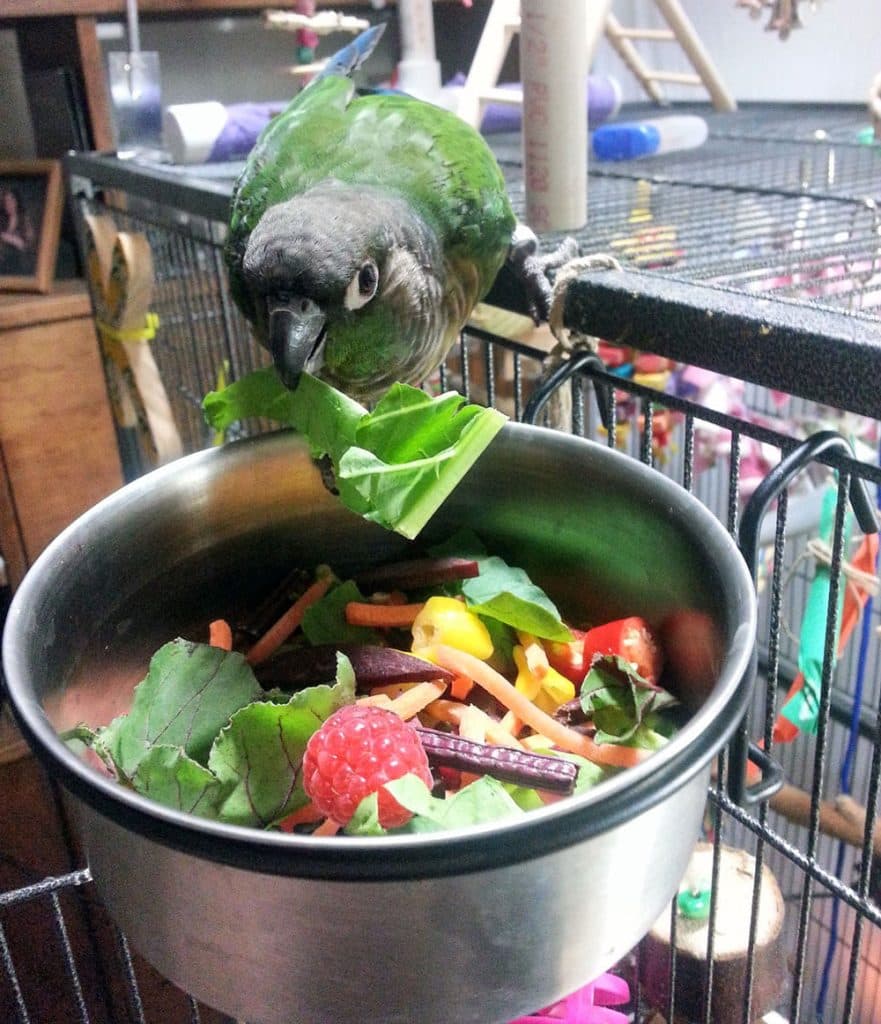
Why an Organic Diet Is Essential for Your Parrot’s Health
Parrots are physiologically wired to absorb toxins that barely register in mammals. Here is why choosing organic — or at least washing conventional produce carefully — protects your bird, where fresh food fits in a pellet-based diet, and which fruits and vegetables carry the heaviest pesticide load.
Wrap and Roll Enrichment Ideas for Parrots
Turn mealtime into a foraging hunt with wrap-and-roll enrichment: corn-husk tamales, tortilla and lettuce wraps, coin-wrapper puzzles, and a measuring-cup forager, plus a safety layer and a step-by-step way to introduce it all.
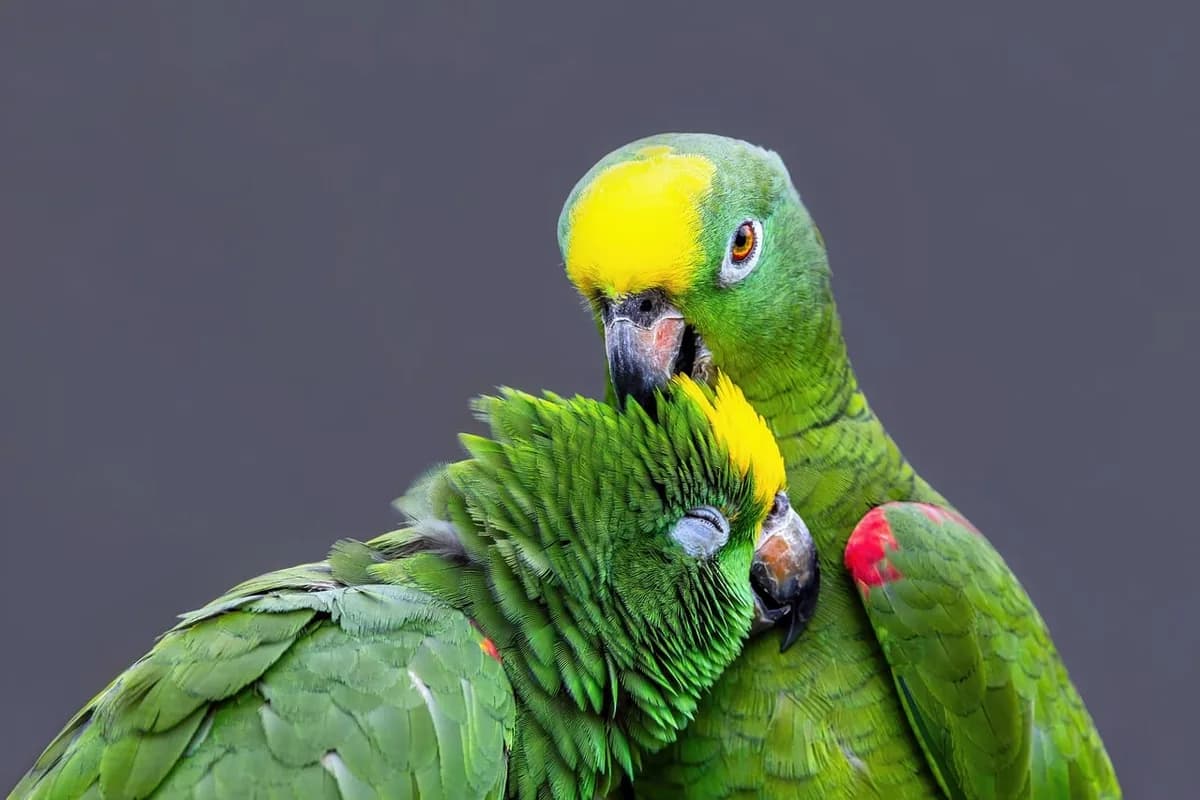
Beak Care and Functionality in Parrots: What You Need to Know
Your parrot's beak is a living, keratin-covered tool with its own blood and nerve supply. Learn how it works, how the right diet and enrichment keep it healthy, the warning signs of trouble, and why beak trims belong to an avian vet, not your kitchen table.
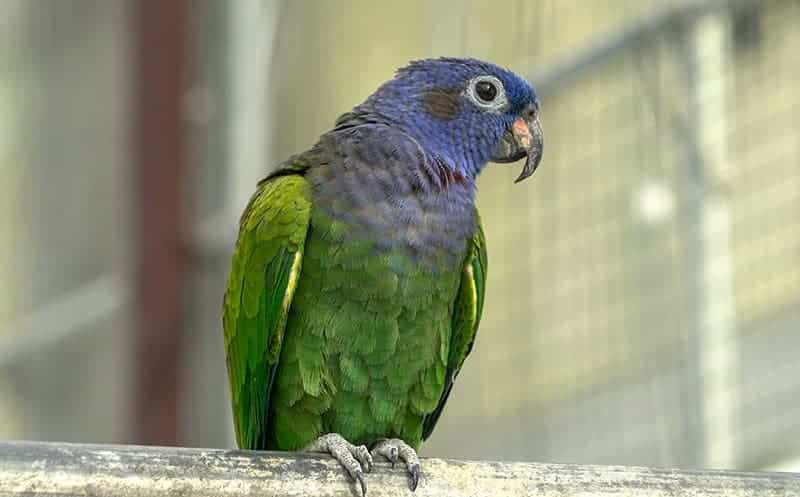
Bird-Safe Homemade Household Cleaners You Can Make Today
Many store-bought sprays and scented cleaners release fumes that are dangerous to a bird's ultra-sensitive lungs. Here are simple, effective cleaners you can mix from pantry staples—room by room—plus the safety rules that keep your flock protected.
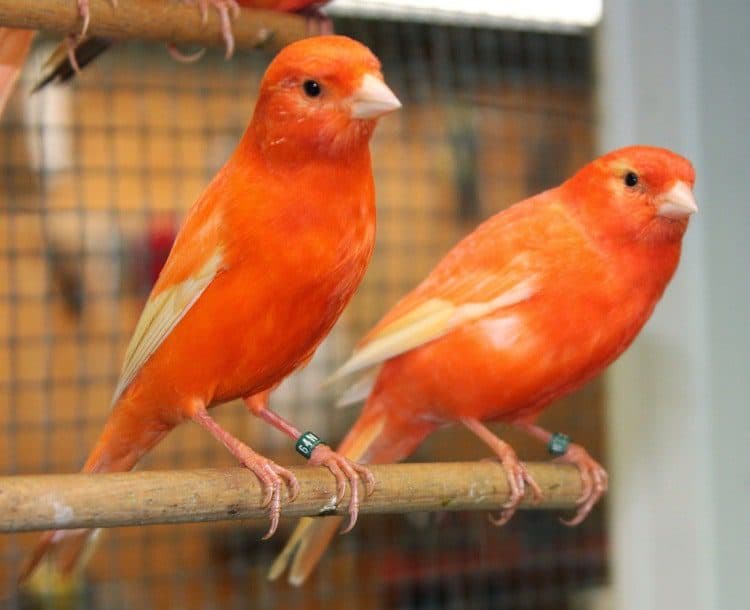
Boosting Parrot Wellness with Fresh Juicing
The juice of fresh fruits and vegetables is one of the richest sources of vitamins, minerals, and enzymes available. These live plant nutrients deliver energy and vitality in a form that parrots are n...
Bug Wars: Natural Pest Control for a Bird-Safe Home
Ants, mosquitoes, fruit flies, and seed moths all arrive with a Toronto summer, but most commercial pesticides are dangerous to birds. Here is how to fight back with prevention and non-toxic methods that keep your flock safe.
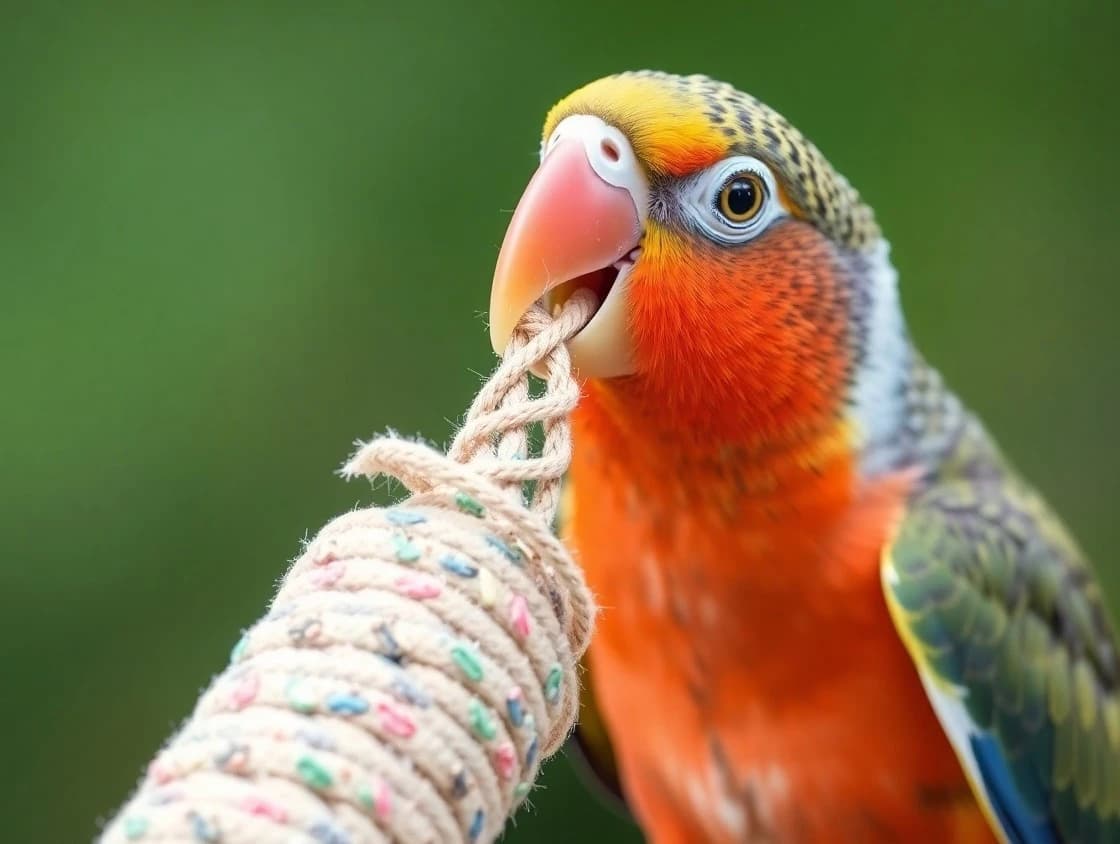
Complete Nutritional Guide for Feeding Your Pet Bird
A formulated pellet diet is the foundation of good parrot nutrition, rounded out with fresh vegetables, whole grains, a little fruit, and seeds offered only as treats. Here is how to build a balanced daily menu, which foods to favour, and which are dangerous.
Disinfectants for Birds: Prevention Starts with Cleanliness
The right disinfecting routine is one of the simplest ways to protect your bird from bacterial, viral, and parasitic disease. Here is how to clean first, disinfect second, choose a bird-safe product, and dilute bleach correctly — plus a comparison table and a quarantine protocol for new arrivals.
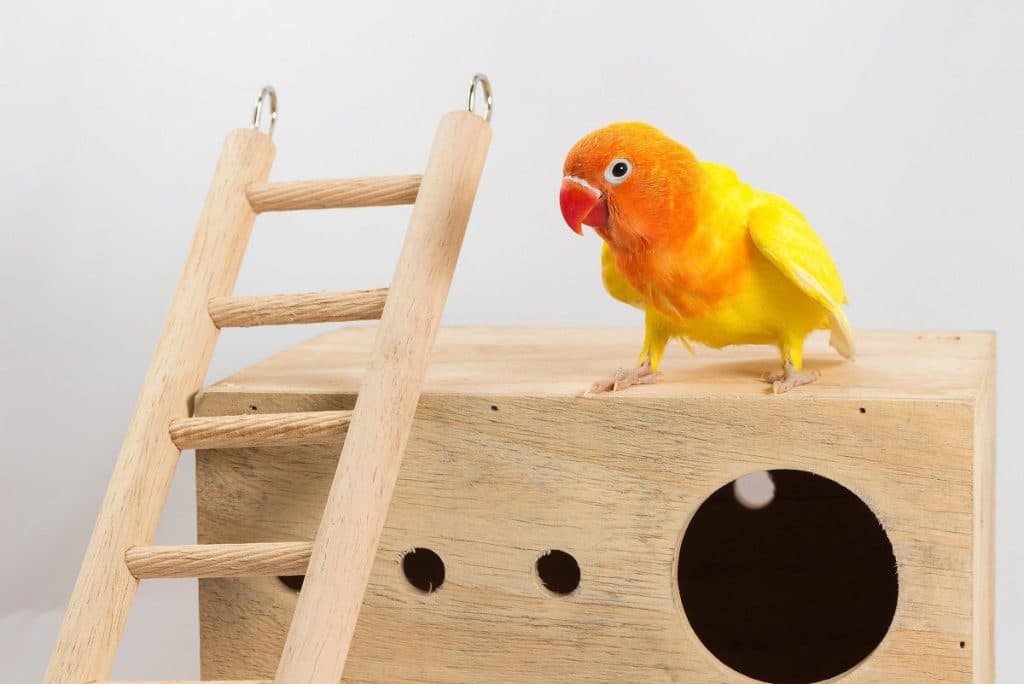
Encouraging Play: A Key to a Happy, Healthy Parrot
Play is not a luxury for parrots—it is preventive medicine. Learn why enrichment protects against plucking, screaming, and biting, how to teach even a wary rescue bird to play, which toy types deliver which benefits, and how to keep every toy safe.
Essential Food Safety Tips for Feeding Your Parrot
A balanced diet only helps your parrot if the food is actually safe. Learn the pellet-forward diet standard, the two-hour spoilage rule, how to sanitize bowls, which foods are genuinely toxic, and the symptoms that mean a call to your avian vet.