All Articles
401 expert articles on parrot care, training, and wellbeing. Page 14 of 17.
Showing 24 of 401 articles

How to Find a Qualified Avian Veterinarian for Your Bird
Not every veterinarian is trained to treat birds — avian medicine is its own specialty, and a bird's anatomy is nothing like a cat's or dog's. Here's how to find a genuinely bird-savvy vet in the Greater Toronto Area, what board certification actually means, the questions to ask before you commit, and why you need to build the relationship long before an emergency.
How to Monitor Parrot Poop for Signs of Illness
In birds, droppings are often the first place illness shows. Learn what a normal parrot dropping looks like, how to tell harmless diet-driven changes from real red flags, and exactly what to do when something looks off.

How to Recognize When Your Bird Is Sick: Warning Signs Every Parrot Owner Should Know
Birds instinctively hide illness, so by the time symptoms show they may have been unwell for days. Learn to weigh your bird, read its droppings, spot the fluffed-and-quiet warning signs, and tell a same-day emergency from a see-a-vet-soon concern.

Reducing Stress in Pet Parrots: A Guide to a Healthier, Happier Bird
Chronic stress quietly shortens parrots' lives by driving feather-destructive behaviour and weakening immunity. Learn to read the early signs and build a calm, enriched, predictable home your bird can truly thrive in.
Understanding Parrots as Prey: How Predators Shape Behavior
Your parrot is a prey animal first, and that single fact explains most of its behavior. Learn how predation pressure wired parrots for vigilance, why everyday objects trigger fear, and how to build a calmer, more confident bird through early, gentle exposure.
Why Security Matters for Parrots: Reducing Stress and Building Trust
A parrot that feels safe is a parrot that thrives. Learn how prey-animal instincts drive fear, how chronic stress shows up as plucking and screaming, and the practical steps—cage placement, routine, and calm exposure—that build lasting trust.
How Music and Dance Enrich Your Bird’s Life
Music and dance are more than background noise for a parrot — they are genuine mental enrichment. Here is what the science of avian beat perception tells us, and how to bring music into your bird’s day safely, from volume and sleep to reading your bird’s body language.
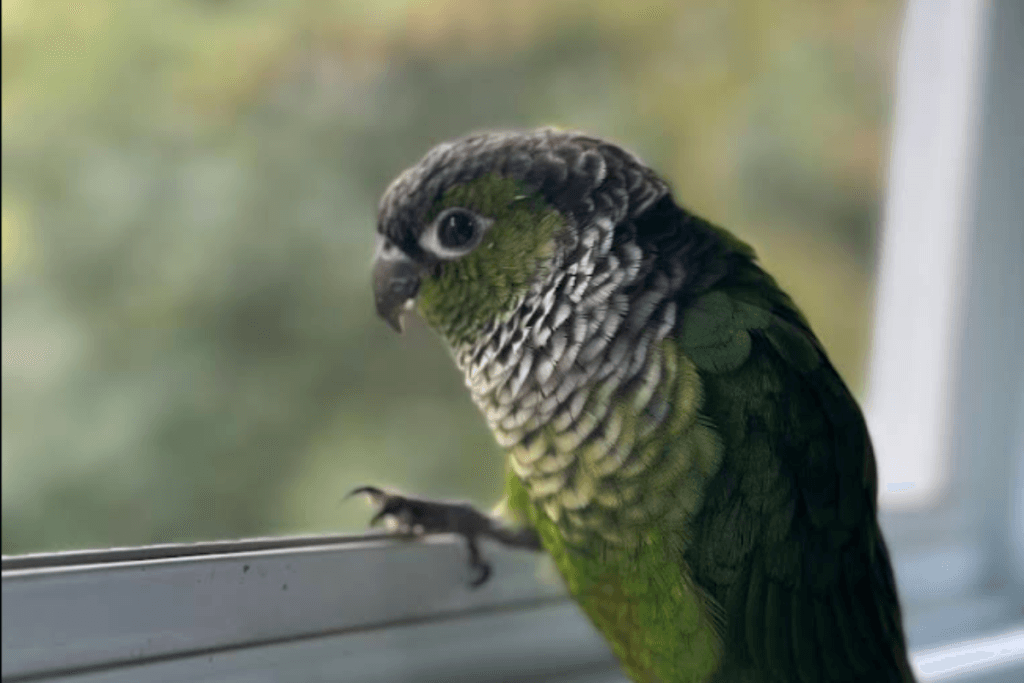
How to Create an Engaging Foraging Experience for Your Pet Bird
A step-by-step guide to turning your parrot's mealtime into a foraging adventure — why it matters, how to introduce it gradually, safe homemade tools and puzzle toys, and a table of creative ideas that keep a curious, food-motivated bird busy.
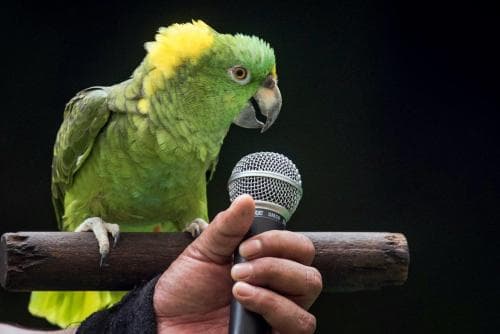
How to Teach Your Parrot to Talk
Some parrots become fluent mimics and others never say a word, and both are perfectly normal. Here is how talking really works, which species are most likely to learn, and a patient, motivation-first method (including the model/rival technique used with Alex the grey) to give your bird its best shot at speech.
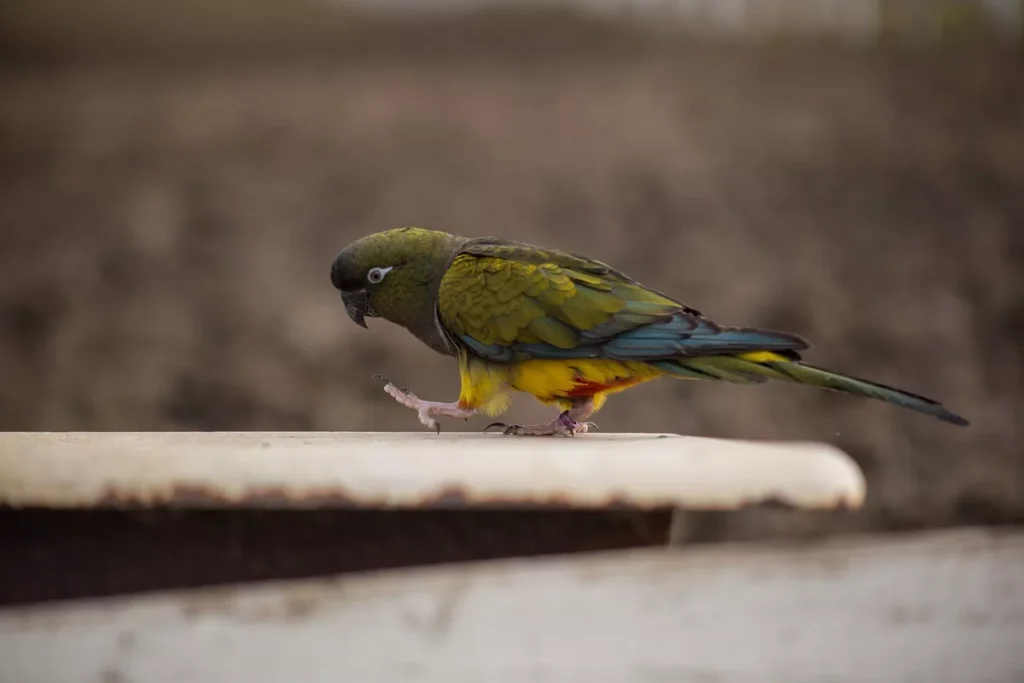
Nurturing Independence in Pet Parrots: Why It Matters
A parrot that can entertain itself is a calmer, happier, more resilient bird. Here is how to nurture healthy independence through choice, enrichment, and foraging, so your companion thrives whether you are in the room or away.
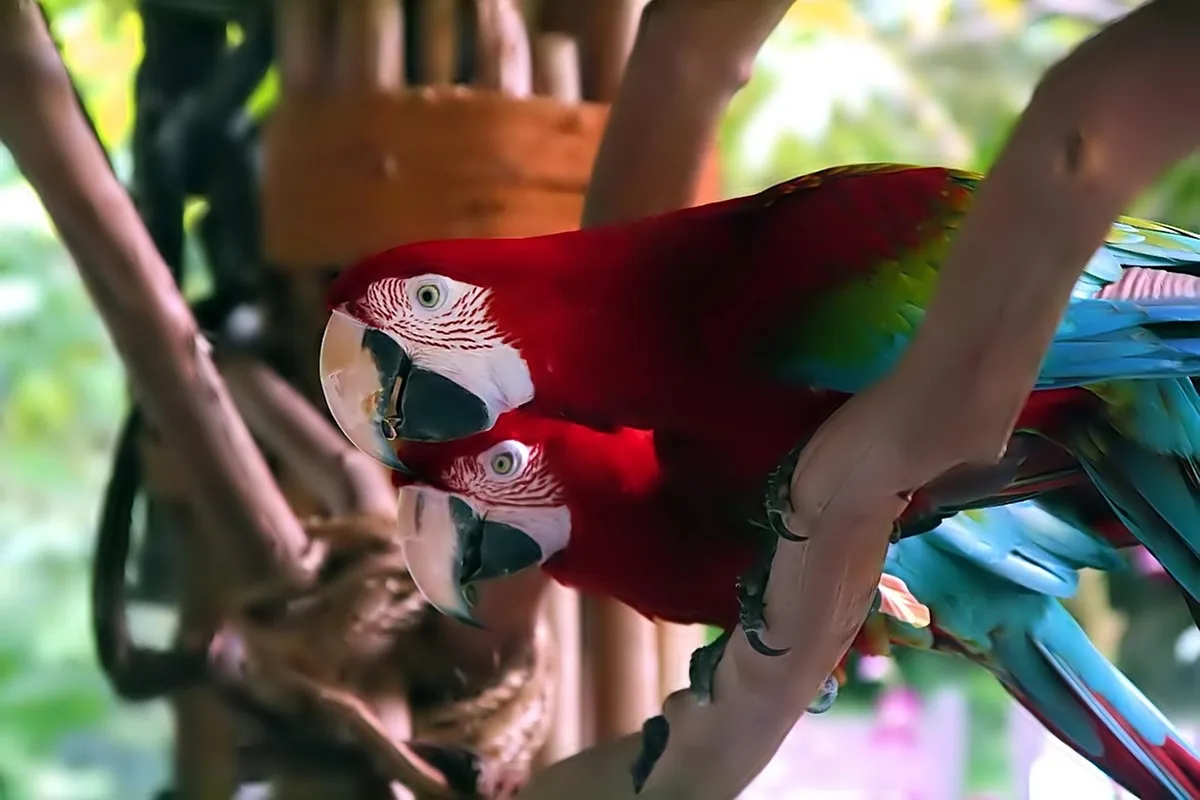
Why (and How) Parrots Talk: The Science Behind Their Speech
A talking parrot can stop you in your tracks, but the biology behind that 'hello' is even more remarkable than the trick. Here's how parrots make human sounds without vocal cords, why they do it, and how to gently encourage your own bird to find their voice.
Why Does My Bird Waste So Much Food? Understanding Natural Behavior & Minimizing the Mess
If your bird flings its fresh veg across the room, it isn't being rude — it's foraging. Here's the wild instinct behind the mess, how to tell normal tossing from a real diet problem, and practical ways to keep your Toronto home clean.
Why Foraging Matters for Your Pet Parrot’s Health and Happiness
Wild parrots spend much of their waking day working for their food. Here is why foraging is one of the most powerful things you can give a captive bird, how it protects against boredom and feather-plucking, and a simple four-step plan to teach your parrot to forage at home.
Why Smart Parrots Need Mental Stimulation to Thrive
Wild parrots spend their days foraging, solving problems, and navigating a busy flock. In captivity, that mental workload vanishes, and boredom often resurfaces as screaming, biting, or feather-destructive behavior. Here is how to build a genuinely enriching life for a clever bird, from foraging toys to daily training games.
Decoding Your Parrot’s Vocalizations: What Your Bird Is Really Saying
Your parrot's whistles, chatter, and squawks are a language built for the flock. Learn to read the six core call types, tell natural calling apart from learned screaming, and respond in a way that keeps your bird calm and connected.
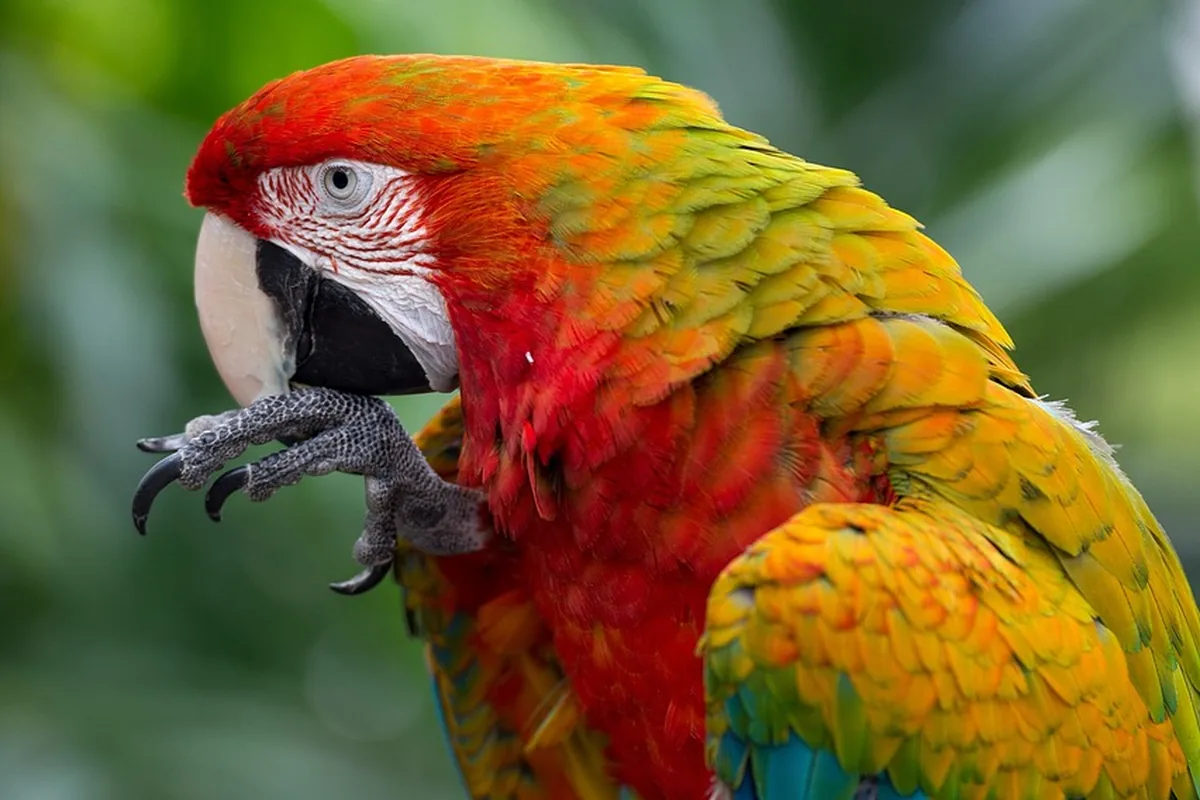
Do Parrots Feel Emotions? Understanding the Emotional Lives of Our Feathered Friends
Parrots are deeply emotional animals that bond, grieve, and read our moods. Learn the nine emotions parrots show, how they communicate through body language and eye pinning, why African Greys are so sensitive, and when a mood change is really a warning sign of illness.

Hormonal Parrots: Understanding the 8 Signs of Seasonal Behavior Changes
As Toronto's days grow longer, a sweet, snuggly parrot can turn into a screaming, biting, egg-laying handful almost overnight. Here are the eight most common signs of hormonal, seasonal behavior — and the calm, practical ways to manage each one at home.
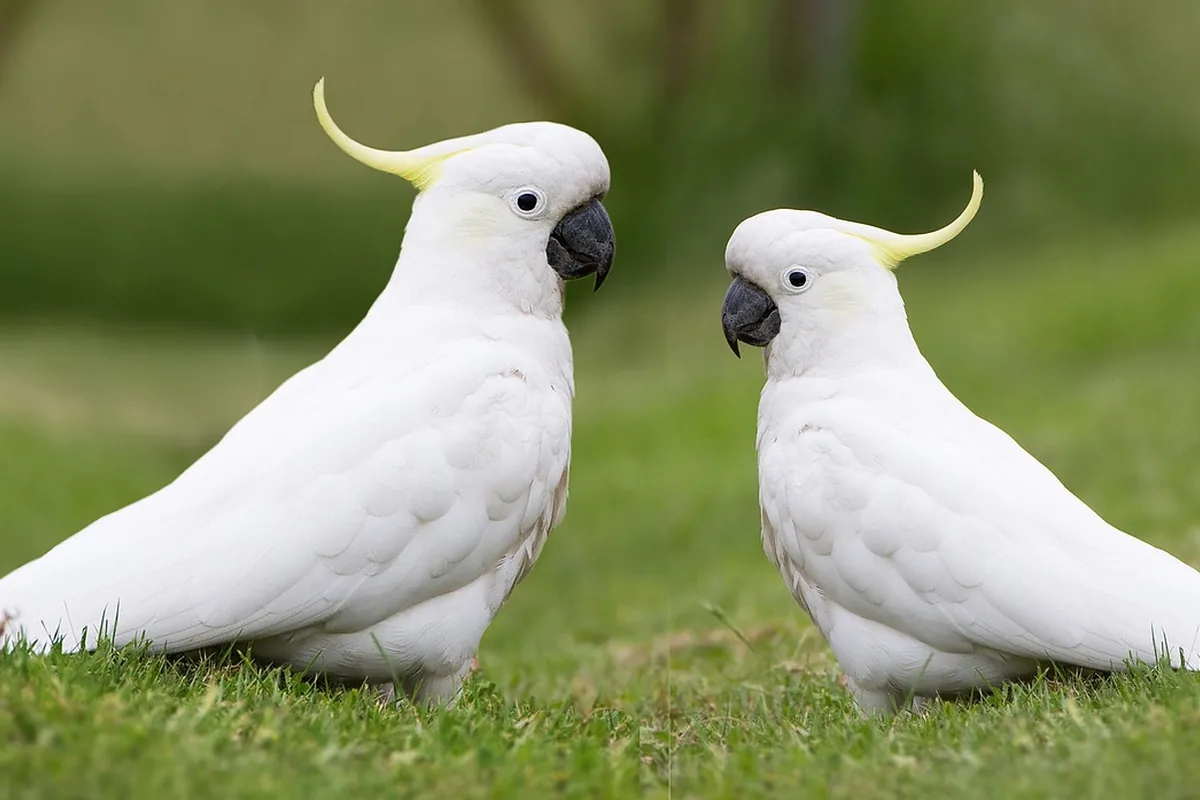
How to Give Your Parrot the Right Kind of Attention Every Day
Parrots are flock animals, and daily social contact is a welfare need, not a luxury. Learn the three layers of attention every parrot needs each day, how much of each, how to pet safely without triggering hormonal behaviour, how to answer contact calls without teaching screaming, and how to build a confident, independent bird.
How to Guide Your Parrot’s Behavior the Positive Way
Parrots learn best through trust, not fear. Here is how to read your bird’s body language, rule out medical causes, and use positive reinforcement and target training to guide behavior the kind, consistent way — without punishment or the debunked dominance myth.
Parrot Socialization: Raising a Confident, Well-Adjusted Bird
Socialization is how your parrot learns to live happily inside a human flock. Here is what it is, why it shapes lifelong confidence, and a step-by-step, force-free way to socialize your bird to people, handling, new foods, novel places, and other birds.

Positive Reinforcement Training for Parrots: Building Trust, Confidence, and Cooperation
Positive reinforcement training is far more than teaching parrots tricks. Built on the science of applied behavior analysis, it uses the cue-bridge-reward loop and shaping in small approximations to build trust, reduce fear, and turn everyday tasks like stepping up, entering a carrier, and cooperating with vet care into things your bird chooses to do.
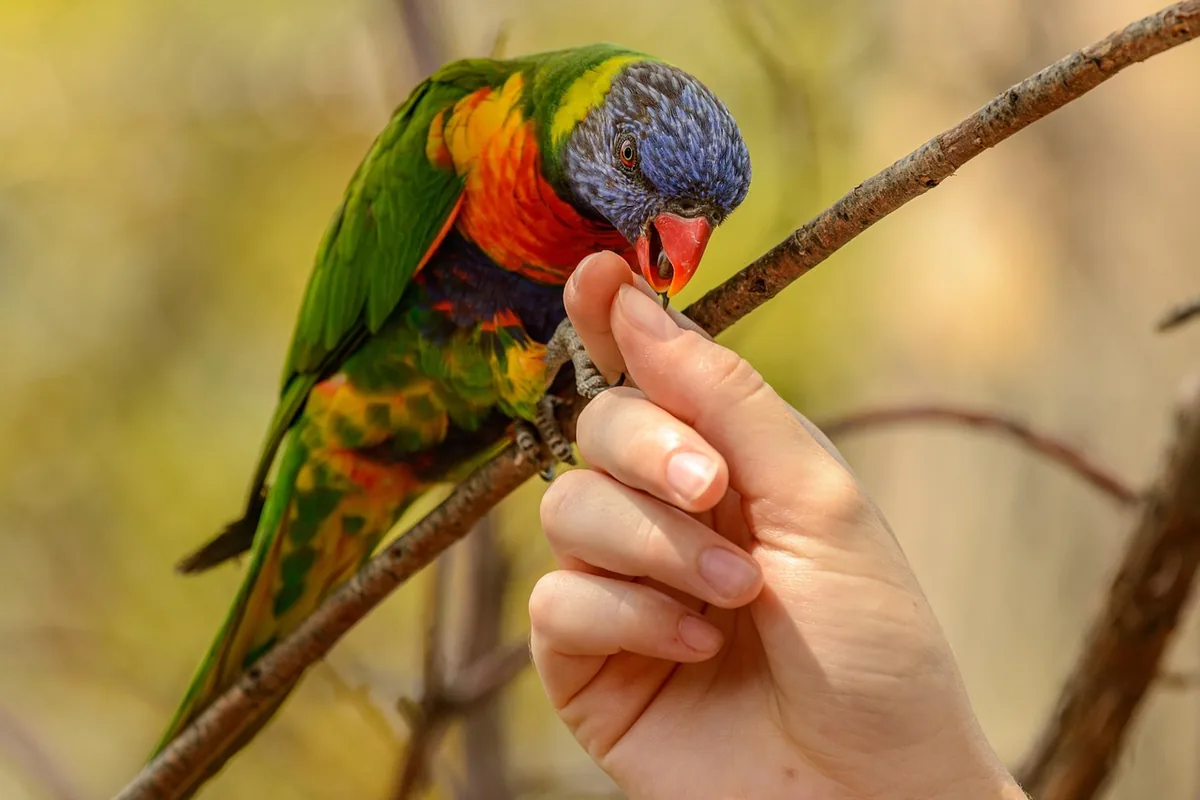
Reading Your Parrot’s Body Language: A Guide to Understanding Their Moods and Needs
Parrots speak mostly in posture, feathers, and eyes rather than words. Learn to read the six core moods — happy, relaxed, playful, fearful, overstimulated, and unwell — with a quick-reference table, a dedicated guide to eye pinning, and the illness signals that mean it is time to call an avian vet.
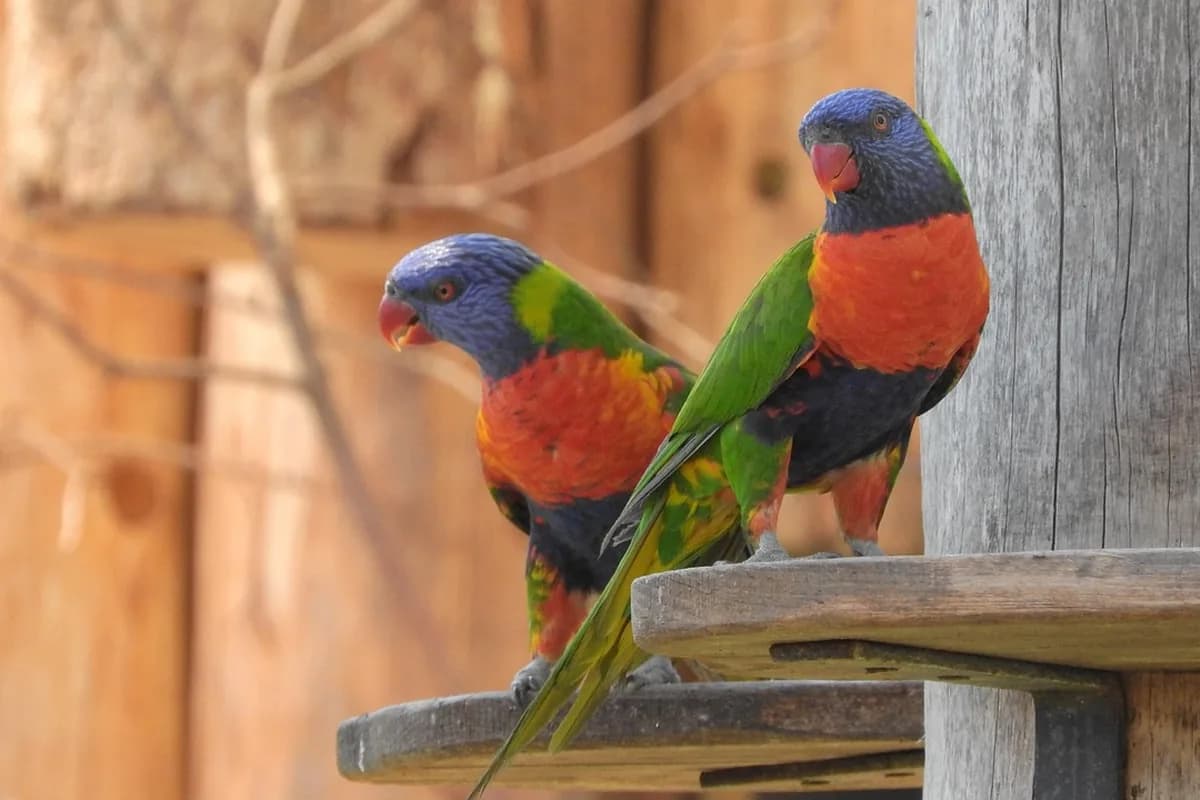
The Importance of Social Interaction for Parrots
Parrots are flock animals wired for constant companionship, and loneliness is one of the most common hidden causes of screaming, feather-plucking, and depression in pet birds. Here is how to make your family your parrot's flock, how to prevent one-person over-bonding, and how to keep your bird socially resilient even when life gets busy.
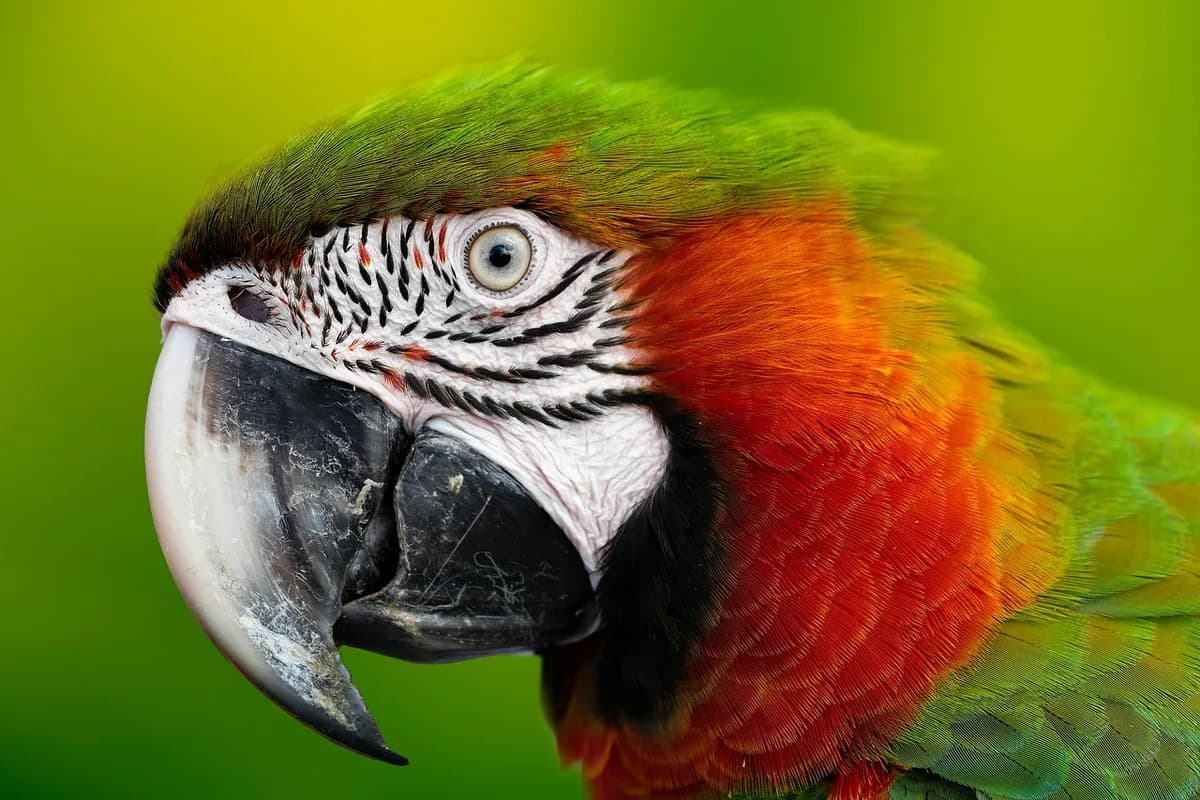
Why Does My Bird Bite? Understanding Parrot Aggression and How to Stop It
Biting is one of the most common frustrations parrot owners bring to us, but birds almost never bite for no reason. Learn the real triggers behind a bite, how to read the warning signs, and how to rebuild trust through calm, consistent handling.